South Florida is becoming one of the most important destinations for kava culture in the United States. From Miami and Miami Beach to Fort Lauderdale and West Palm Beach, kava lounges are attracting a growing audience looking for something different from the traditional bar and nightclub experience.
What started as a relatively small niche has developed into a recognizable part of South Florida’s nightlife and social scene. Kava lounges are appearing in neighborhoods throughout Miami-Dade, Broward, and Palm Beach counties, while established operators continue expanding their presence.
The region’s combination of warm weather, tourism, nightlife, wellness culture, and diverse population makes it a natural environment for the continued growth of kava bars.
South Florida’s Long Connection With Kava
The rise of kava lounges in South Florida isn’t a completely new phenomenon. In fact, the region has played an important role in the development of the American kava-bar industry for more than two decades.
Palm Beach County is particularly significant because Nakava in Boca Raton opened around 2002 and is widely recognized as the first dedicated kava bar in North America. That early establishment helped introduce the concept of a social venue centered around kava rather than alcohol.
Since then, the concept has spread throughout Florida and eventually across the United States.
Today, South Florida remains one of the country’s most concentrated kava markets. Miami, Fort Lauderdale, and West Palm Beach each have their own growing communities, while surrounding cities such as Hollywood, Pompano Beach, Boca Raton, and Boynton Beach add even more locations to the regional scene.
This creates something unusual: customers can travel through the South Florida corridor and encounter kava lounges in multiple cities rather than having to seek out one isolated establishment. Just by searching online for kava bars near me and you’ll find plenty of kava locations near you.
Miami: Kava Enters the Mainstream
Miami may be the most exciting market for the next generation of kava lounges.
The city has an internationally recognized nightlife culture, with everything from luxury cocktail lounges and rooftop bars to nightclubs, cafés, and late-night restaurants. Kava offers entrepreneurs an opportunity to provide a different type of nightlife experience while still taking advantage of Miami’s strong social culture.
Current kava businesses can be found throughout the Miami area, including neighborhoods around Biscayne Boulevard, Miami Beach, North Miami, Sweetwater, and other parts of the metropolitan area. Current listings include establishments such as Kava Kavern, Miami Kava & Community, Votanik, Purple Lotus, Elixir, Vice City Kava, Island Vibes, Makana Kava Gastrobar, and Enjoy Kava Bar.
The important development is that kava is increasingly being presented as more than a traditional beverage.
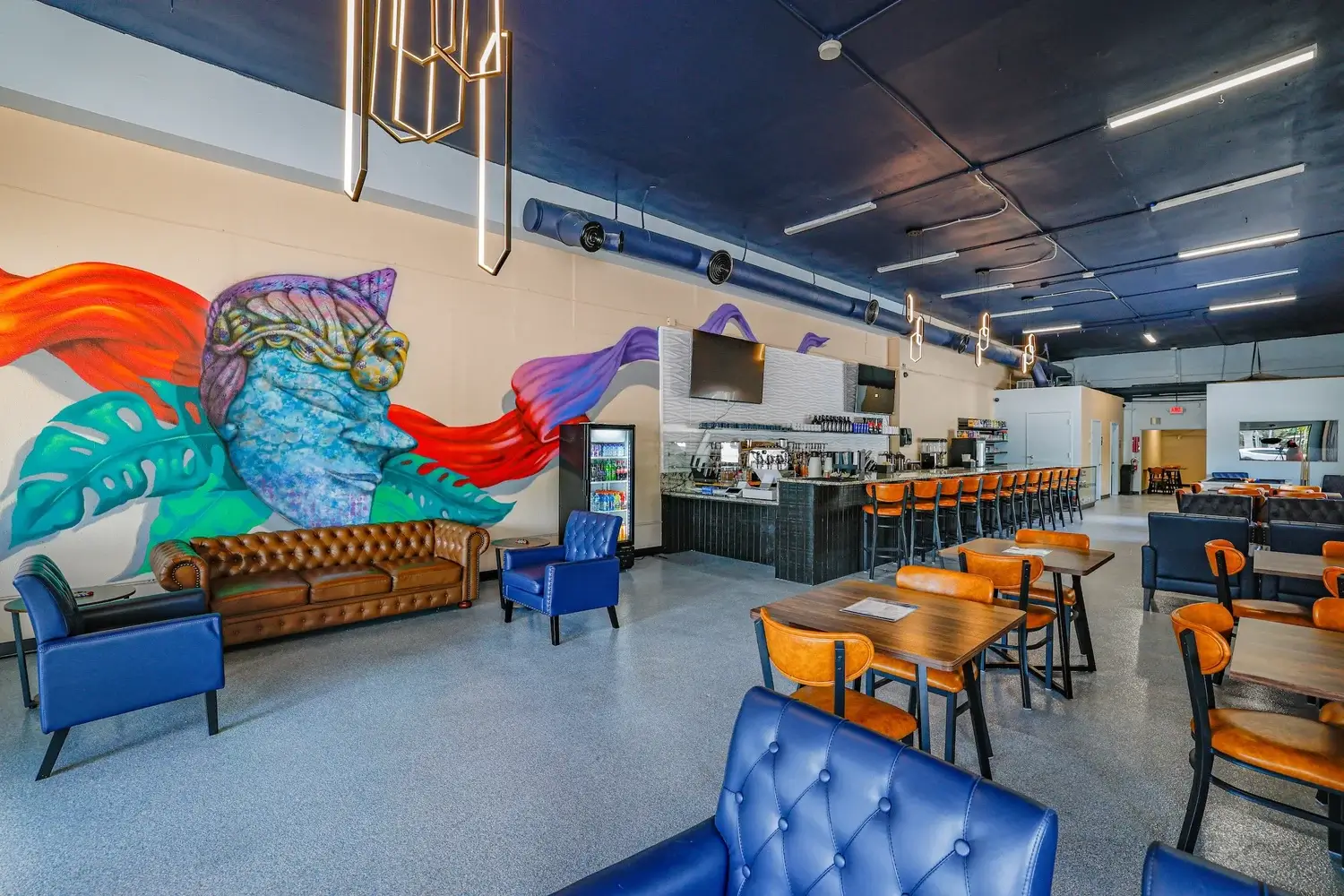
Modern Miami kava lounges can combine comfortable seating, music, specialty drinks, tea, coffee, food, events, and late-night socializing. This gives customers reasons to visit even if they have never previously heard of kava.
That could be critical to the industry’s future.
Instead of trying to convince every customer to become a dedicated kava enthusiast, newer businesses can introduce kava as part of a broader hospitality experience.
For Miami entrepreneurs, this creates a potentially attractive business model: a lounge that feels contemporary and social while offering customers an alternative to alcohol-focused nightlife.
Fort Lauderdale’s Expanding Kava Community
Fort Lauderdale has developed into another major center of kava culture in South Florida.
The city benefits from its position between Miami and Palm Beach County, giving it access to a large population of residents, tourists, professionals, students, and visitors.
The current Fort Lauderdale market includes a wide range of concepts. Kavasutra operates a location on Las Olas Boulevard, while other established businesses include Nectar Lab Kava Bar, Casa De Kava, Tiki Tide, and Black Klover Kava. Current market listings show a particularly strong concentration of kava businesses throughout Fort Lauderdale and surrounding Broward County.
One example is Casa De Kava Fort Lauderdale Kava Bar, located on NW 5th Avenue. The business combines the kava-lounge concept with elements of a café, lounge, and social gathering space.
Black Klover Kava has also expanded its South Florida footprint, with a Fort Lauderdale location on North Federal Highway as well as additional locations in Hollywood, Pompano Beach, and Boynton Beach. Its current website lists these locations as operating late into the night.
This type of expansion demonstrates how kava companies are beginning to think regionally rather than operating as single neighborhood businesses.
A customer who discovers a particular kava brand in Fort Lauderdale may now be able to visit another location while traveling elsewhere in Broward or Palm Beach County.
West Palm Beach Has the History and the Growth
West Palm Beach may have the strongest historical connection to the American kava movement.
The broader Palm Beach County region is where the American kava-bar concept first gained a foothold, and West Palm Beach continues to build on that history.
Purple Lotus has been one of the best-known names in the area, while newer venues have expanded the number of choices available to customers. Current listings include Purple Lotus, Oahu Kava Bar, Hideout Kava and Tea Bar, Temanatu Kava Bar, and other establishments throughout the West Palm Beach area.
One particularly interesting example is Temanatu Kava Bar, located on Clematis Street in downtown West Palm Beach. The business describes itself as both a kava bar and tea room and positions itself as an alcohol-free nightlife option in the heart of the city’s historic downtown district.
This illustrates an important trend in the industry.
Kava lounges are increasingly becoming part of established entertainment districts rather than existing exclusively in suburban or hidden locations.
That matters because visibility can introduce kava to customers who might never specifically search for a kava bar.
Someone walking through downtown West Palm Beach may see a lounge, become curious, walk inside, and discover kava for the first time.
Why Kava Lounges Are Growing
Several trends are contributing to the growth of kava lounges across South Florida.
The first is the increasing interest in alcohol-free socializing.
Traditional nightlife has historically revolved around alcohol. Bars and clubs sell alcoholic beverages, and socializing often takes place around drinking.
Kava lounges offer a different model.
Customers can meet friends, talk, listen to music, play games, work on a laptop, attend events, or simply relax without the experience being centered around alcohol.
This doesn’t necessarily mean that every kava customer is avoiding alcohol permanently. For many people, it simply provides another option.
The second factor is the growth of wellness-oriented consumer culture.
People are increasingly interested in botanical beverages, specialty teas, functional drinks, and alternatives to conventional nightlife. Kava fits naturally into this broader category.
The third factor is community.
Successful kava lounges often develop strong groups of regular customers. Unlike a traditional bar where customers may simply order a drink and leave, a kava lounge can become a place where people spend several hours talking and socializing.
That community element is one of the industry’s strongest advantages.
Kava Lounges Are Becoming More Sophisticated
The image of a kava bar has changed significantly.
Early kava bars were often simple, relaxed establishments focused primarily on traditional kava. Today’s businesses can be much more sophisticated.
Some have modern interior design. Others emphasize coffee, tea, mocktails, music, food, art, or events.
The industry is also experimenting with different operating hours.
Some lounges open in the morning and operate as coffee or tea destinations before transitioning into evening social spaces. Others focus primarily on late-night customers.
This flexibility gives entrepreneurs more opportunities to generate revenue throughout the day rather than depending entirely on evening traffic.
The result is a new generation of kava businesses that look less like traditional bars and more like modern hospitality brands.
Competition Is Increasing
Rapid growth also brings challenges.
As more kava lounges open in Miami, Fort Lauderdale, and West Palm Beach, competition for customers is becoming stronger.
Simply serving kava may no longer be enough.
Successful businesses will need to differentiate themselves through location, customer service, atmosphere, product quality, events, branding, and community.
The industry’s rapid growth also means that customers need to verify information before visiting. Kava businesses can open, close, relocate, or change hours relatively quickly. Current local guides specifically warn that the South Florida scene changes frequently.
For consumers, that makes current directories and local kava guides increasingly valuable.
The Future of South Florida Kava
The future looks promising for kava lounges throughout Miami, Fort Lauderdale, and West Palm Beach.
The three markets complement one another.
Miami provides the international audience, tourism, nightlife culture, and enormous potential for innovative concepts.
Fort Lauderdale provides a dense and growing customer base across Broward County.
West Palm Beach provides historical credibility, established businesses, and continued expansion throughout Palm Beach County.
Together, they form one of the strongest kava corridors in America.
The biggest opportunity may be introducing kava to people who don’t currently consider themselves part of the kava community.
A beautifully designed lounge with excellent service, interesting drinks, comfortable seating, music, and a welcoming atmosphere can appeal to customers who simply want somewhere different to spend an evening.
That is ultimately why the South Florida kava scene is becoming so interesting.
Kava is no longer limited to a small group of enthusiasts. It is increasingly becoming part of a broader movement toward alternative nightlife, botanical beverages, community-oriented lounges, and alcohol-free social experiences.
From the streets of Miami to Las Olas in Fort Lauderdale and Clematis Street in West Palm Beach, the kava industry is becoming increasingly visible.
And with new lounges continuing to open, existing businesses expanding, and consumers becoming more familiar with kava, South Florida could remain at the center of America’s kava movement for years to come.