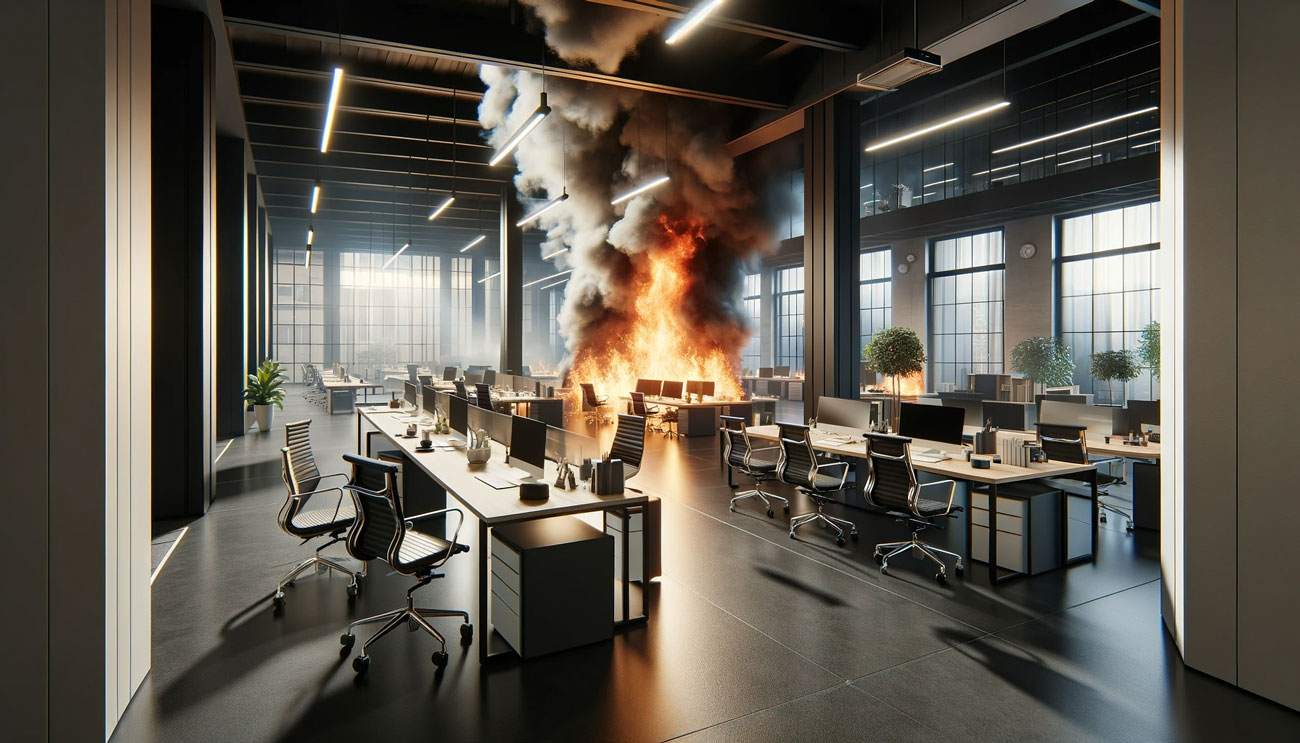
Fire is one of the most serious risks facing homes, businesses, industrial facilities, and public buildings. A small electrical fault, overheated equipment, kitchen accident, or human error can quickly develop into a dangerous fire. Beyond property damage, fires can threaten lives, interrupt business operations, and create long-term financial and reputational consequences.
That is why effective fire prevention and preparedness should be a priority for every property owner and facility manager. Professional fire protection services provide a comprehensive approach to identifying risks, installing protective systems, maintaining equipment, and preparing people to respond effectively during an emergency.
What Are Fire Protection Services?
Fire protection services encompass a wide range of solutions designed to prevent fires, detect them at an early stage, control their spread, and protect people and property.
Depending on the type and size of a property, these services may include fire risk assessments, alarm systems, sprinkler systems, fire extinguishers, emergency lighting, fire doors, inspections, maintenance, and employee training.
A professional fire protection provider can evaluate a building’s specific risks and recommend solutions based on its structure, occupancy, equipment, and regulatory requirements.
Why Fire Protection Matters
Fire protection is not simply about having a fire extinguisher on the wall. Effective protection involves multiple layers of prevention and response.
1. Protecting Lives
The most important objective of fire protection is protecting people. Smoke and fire can spread rapidly, particularly in enclosed commercial or residential environments. Properly maintained alarms and detection systems can provide early warnings, giving occupants valuable time to evacuate.
Emergency lighting, clearly marked exits, fire doors, and evacuation procedures can further improve safety during an emergency.
2. Reducing Property Damage
A fire that is detected and controlled quickly is generally less destructive than one that goes unnoticed. Fire detection and suppression systems can help limit the spread of flames and reduce damage to buildings, equipment, inventory, and important documents.
For businesses, minimizing physical damage can also reduce the time required to resume normal operations.
3. Supporting Business Continuity
A major fire can force a business to close temporarily or relocate. The resulting costs may include repairs, lost sales, equipment replacement, employee disruption, and customer loss.
A well-designed fire protection strategy helps businesses prepare for potential emergencies and reduce the impact of unexpected incidents.
4. Meeting Safety Requirements
Buildings are often subject to fire safety regulations, codes, and inspection requirements. The exact requirements depend on factors such as location, building type, occupancy, and industry.
Professional fire protection specialists can help property owners understand applicable requirements and maintain systems in appropriate working condition.
Key Components of a Fire Protection Strategy
A strong fire protection program typically combines several systems and practices rather than relying on a single solution.
Fire Detection and Alarm Systems
Fire alarm systems are designed to identify signs of fire and alert occupants as quickly as possible. Depending on the property, detection may involve smoke detectors, heat detectors, manual call points, and other monitoring equipment.
Regular inspection and testing are important because an alarm system is only useful when it functions correctly during an emergency.
Fire Sprinkler Systems
Automatic sprinkler systems can play an important role in controlling fires before they spread throughout a building. Sprinklers are commonly used in commercial buildings, warehouses, industrial facilities, hotels, and other properties where fire risks may be significant.
Proper design, inspection, testing, and maintenance help ensure that the system remains ready to operate when needed.
Fire Extinguishers
Portable fire extinguishers provide a first line of defense against small fires. However, different types of fires require different extinguishing agents.
For example, fires involving ordinary combustible materials, flammable liquids, electrical equipment, or cooking oils may require different types of extinguishers. Proper placement, inspection, employee training, and regular maintenance are therefore essential.
Emergency Lighting and Exit Systems
Smoke, darkness, and confusion can make evacuation difficult. Emergency lighting and clearly identified exit routes help occupants navigate a building when normal lighting is unavailable.
These systems should be inspected regularly to confirm that they are operational.
Fire Doors and Compartmentation
Fire doors and building compartmentation can help slow the movement of flames and smoke from one area to another. Keeping fire doors properly maintained and ensuring that they are not improperly blocked or propped open can be an important part of a building’s overall fire safety strategy.
The Importance of Regular Inspections and Maintenance
Installing fire safety equipment is only the beginning. Systems can deteriorate over time, batteries can fail, components can become damaged, and equipment may no longer meet operational requirements.
Regular inspections help identify problems before an emergency occurs.
Maintenance programs may include checking alarms, testing detection devices, inspecting extinguishers, examining sprinkler components, verifying emergency lighting, and reviewing other fire safety equipment.
Keeping accurate inspection and maintenance records can also help property managers demonstrate that appropriate safety measures are being taken.
Fire Risk Assessments
A fire risk assessment is an important part of developing an effective safety strategy. It involves identifying potential sources of ignition, combustible materials, vulnerable occupants, escape routes, existing protection systems, and other factors that could influence fire risk.
A professional assessment can help identify weaknesses that may not be obvious to someone who works in the building every day.
For example, an assessment might reveal overloaded electrical equipment, poor storage practices, blocked exits, inadequate extinguisher coverage, or insufficient emergency procedures.
Once risks have been identified, property owners can prioritize corrective actions.
Employee Fire Safety Training
Technology alone cannot provide complete fire protection. Employees and occupants need to understand what to do when an emergency occurs.
Fire safety training can cover topics such as:
- Recognizing common fire hazards
- Reporting a fire or activating an alarm
- Using a fire extinguisher when appropriate
- Following evacuation procedures
- Identifying emergency exits
- Assisting vulnerable individuals
- Understanding when not to attempt firefighting
- Reporting unsafe conditions
Regular training and drills can help people respond more calmly and effectively during a real emergency.
Choosing the Right Fire Protection Provider
Selecting a qualified fire protection provider is an important decision. Property owners should consider the provider’s experience, qualifications, range of services, maintenance capabilities, responsiveness, and understanding of applicable safety requirements.
It is also useful to choose a provider that can take a comprehensive approach rather than focusing on only one piece of equipment.
A reliable provider should be able to assess the property, identify potential risks, recommend appropriate solutions, and provide ongoing inspection and maintenance support.
Fire Protection for Different Types of Properties
Fire safety requirements can vary significantly between properties.
Commercial Buildings
Offices, retail stores, and commercial facilities may require alarm systems, extinguishers, emergency lighting, evacuation plans, and other protective measures based on their size and occupancy.
Warehouses and Industrial Facilities
Warehouses and industrial environments can contain large quantities of combustible materials, machinery, chemicals, or other hazards. These facilities may require specialized detection and suppression systems designed around their specific risks.
Residential Properties
Homes and apartment buildings benefit from smoke alarms, carbon monoxide detection where appropriate, fire extinguishers, safe electrical systems, and clearly understood evacuation procedures.
Healthcare and Care Facilities
Hospitals and care facilities require particularly careful planning because some occupants may have limited mobility or require assistance during an evacuation. Fire detection, compartmentation, evacuation planning, and staff training can therefore be especially important.
Technology Is Changing Fire Safety
Modern technology is making fire protection more responsive and easier to monitor. Advanced detection systems can identify potential problems earlier, while connected monitoring technologies can provide information about system status and potential faults.
Smart building systems can also integrate fire alarms and other safety equipment with centralized monitoring platforms. These technologies can help facility managers identify issues faster and improve their ability to maintain critical systems.
However, technology should complement—not replace—professional inspections, maintenance, training, and sound emergency planning.
Creating a Proactive Fire Safety Culture
Effective fire protection is ultimately a continuous process. Property owners and managers should regularly review their buildings, equipment, procedures, and training rather than waiting for an incident to expose weaknesses.
A proactive approach includes:
- Identifying fire hazards.
- Assessing the level of risk.
- Installing suitable detection and protection systems.
- Maintaining equipment regularly.
- Training employees and occupants.
- Conducting emergency drills.
- Reviewing procedures after changes to the building or business.
- Keeping inspection and maintenance records.
This approach can help create a safer environment while reducing the potential consequences of a fire.
Conclusion
Fire safety requires more than emergency equipment. It involves prevention, early detection, suppression, evacuation, training, inspection, and ongoing maintenance.
Professional fire protection services can help property owners and businesses develop a coordinated strategy that addresses their specific risks. From fire alarms and sprinklers to inspections, risk assessments, and employee training, each component contributes to a stronger overall safety system.
Investing in fire protection is ultimately an investment in people, property, business continuity, and peace of mind. By taking a proactive approach and working with qualified professionals, organizations can be better prepared to prevent fires and respond effectively when emergencies occur.