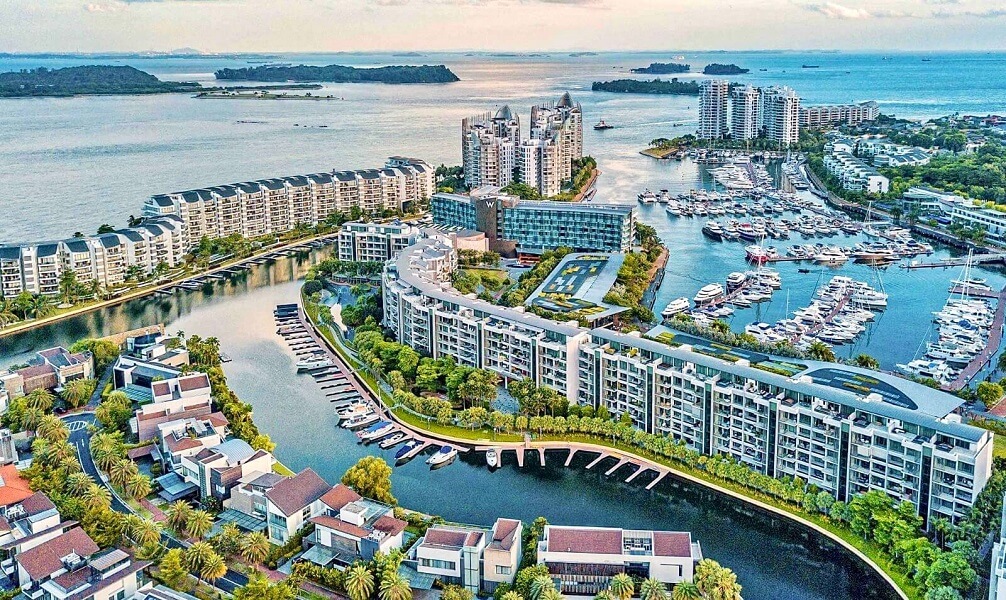
Risk is an unavoidable part of property investment, even in a stable market like Singapore. While real estate here is known for its strong regulatory framework and long-term appreciation, investors still face risks related to financing, market cycles, tenant demand, and external economic conditions. In 2026, managing these risks effectively is what separates average investors from consistently successful ones.
Understanding the Nature of Property Investment Risk
Property risk is not just about price declines. It includes a wide range of factors such as cash flow instability, rising interest rates, vacancy periods, and unexpected maintenance costs. Many new investors underestimate how these risks interact over time.
Unlike liquid assets, property is illiquid, meaning it cannot be quickly sold without potential price adjustments. This makes risk planning even more important.
Financial Risk and Leverage Control
One of the biggest risks in property investment is financial leverage. While loans allow investors to scale their portfolio, excessive borrowing can create pressure during interest rate increases or rental downturns.
A healthy approach is to ensure that mortgage repayments remain manageable even under worst-case scenarios. Investors should avoid stretching their finances to the maximum just because financing is available.
Strong cash flow planning ensures long-term stability even when market conditions fluctuate.
Market Cycle Risk
Singapore’s property market moves in cycles, and entering at the wrong stage can significantly affect returns. Buying during peak phases may lead to slower capital growth, while buying during recovery phases often offers better upside.
Understanding cycle positioning helps investors reduce timing risk. Instead of trying to predict exact peaks or bottoms, smart investors focus on broader trend direction.
Developments like Lucerne Grand are often evaluated in this context, where long-term demand fundamentals matter more than short-term sentiment.
Location Risk and Demand Stability
Location remains one of the strongest risk factors in property investment. Poorly located properties may struggle with both rental demand and resale liquidity.
Key indicators of strong location include:
- Proximity to MRT stations
- Access to employment hubs
- Presence of schools and amenities
- Future infrastructure developments
Properties in well-planned areas tend to maintain more stable demand across different market conditions.
Tenant and Rental Risk
Rental income is not guaranteed. Tenant turnover, vacancy periods, and rental price fluctuations can affect overall returns.
Different tenant profiles carry different levels of risk. For example, expatriate demand may be higher-paying but more volatile, while local tenant demand tends to be more stable.
Developments such as Island Residences often appeal to a broad tenant base, helping reduce vacancy risk over time.
Interest Rate Volatility
Interest rate changes directly impact mortgage costs and investor cash flow. Rising rates can significantly increase monthly repayments, especially for highly leveraged investors.
This risk is particularly important in periods of global economic uncertainty, where rate movements can be unpredictable.
A strong risk management strategy includes maintaining financial buffers and avoiding over-reliance on floating-rate loans.
Liquidity Risk in Property Resale
Unlike stocks or bonds, property takes time to sell. Liquidity risk refers to the difficulty of exiting an investment quickly without affecting price.
Some properties sell faster due to strong demand, while others may take longer depending on location, pricing, and market conditions.
Smaller, well-located units generally carry lower liquidity risk compared to large or niche properties.
Development and Supply Risk
Future supply plays a major role in property performance. If too many new units enter a specific area, competition can reduce rental yields and resale prices.
Investors should always evaluate upcoming supply pipelines before purchasing. Oversupply in nearby districts can weaken long-term performance even if current demand is strong.
Government Policy Risk
Government regulations are a defining feature of Singapore’s property market. Measures such as stamp duties, loan restrictions, and cooling policies can significantly influence demand.
While these policies are generally designed to stabilize the market, sudden changes can still impact investor sentiment and short-term pricing.
Staying informed about policy direction is essential for risk management.
Emotional Decision-Making Risk
One of the most overlooked risks is emotional decision-making. Investors often buy during hype phases or hold too long due to attachment to a property.
Emotional bias can lead to poor timing decisions, missed opportunities, or reduced returns.
Disciplined investors rely on data, not sentiment, when making decisions.
Diversification as a Risk Strategy
Diversification is one of the most effective ways to reduce risk. Instead of concentrating capital in a single property, investors can spread investments across different locations or property types.
This helps balance exposure and reduces the impact of localized market downturns.
Final Thoughts
Risk is an inherent part of property investment, but it can be managed effectively with the right strategy. In Singapore’s structured and regulated market, investors have the advantage of transparency and stability, but careful planning is still essential.
By understanding financial, market, and behavioral risks, investors can protect their capital and build more resilient portfolios over time.
Properties such as Lucerne Grand and Island Residences demonstrate how location, demand stability, and planning can help mitigate long-term investment risks.
A disciplined, research-driven approach remains the strongest defense against uncertainty in any market cycle.