Buying a home in Singapore is often seen as a rational financial decision—but in reality, emotions and psychology play a huge role. Beyond price per square foot, location, and amenities, buyers are often influenced by subtle mental triggers that shape their final choice.
Understanding these psychological factors can help both first-time buyers and seasoned investors make smarter, more balanced decisions in a competitive property market.
Why Emotions Matter More Than You Think
Most buyers begin their property search with a clear budget and checklist. However, once they start viewing homes, emotional responses begin to take over.
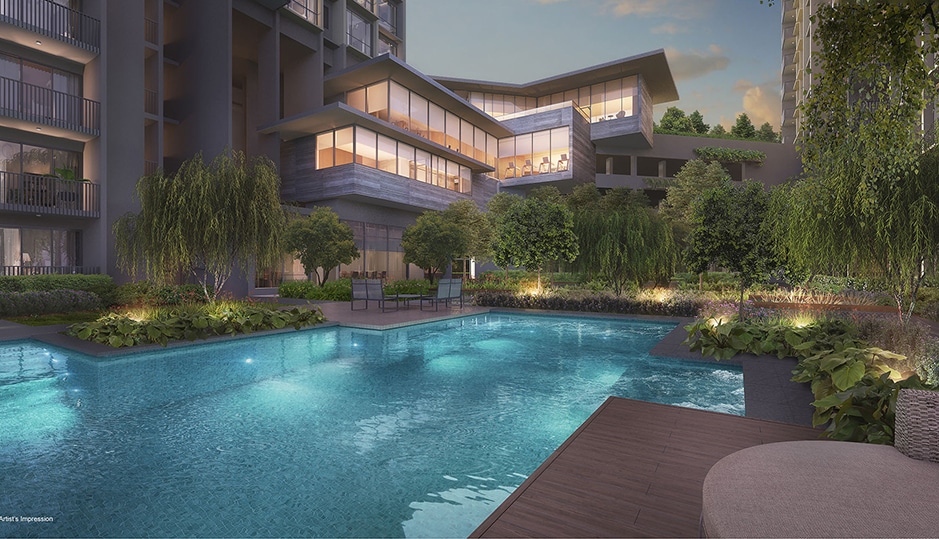
A well-designed showflat, natural lighting, or even the scent of a space can create a sense of comfort and attachment. This is why many developments invest heavily in presentation. When visiting a project like Thomson Reserve, buyers often find themselves imagining their future lifestyle rather than focusing solely on numbers.
That emotional connection can sometimes override practical concerns such as commute time or long-term resale value.
The “Fear of Missing Out” Effect
In Singapore’s fast-moving property market, FOMO (fear of missing out) is a powerful driver.
Limited unit availability, early-bird pricing, and news of quick sell-outs can create urgency. Buyers may feel pressured to commit quickly, worrying that waiting could mean paying more later—or missing out entirely.
This is especially common in new launches where marketing emphasizes scarcity. While urgency can be real, it’s important to pause and evaluate whether the property truly aligns with your long-term goals.
Anchoring Bias: The First Price Sets the Tone
Anchoring bias happens when buyers rely too heavily on the first piece of information they receive—usually the initial price.
For example, if a property is initially marketed at a certain price point, any discount or perceived deal afterward feels attractive, even if the final price is still above market value.
When exploring options like Amberwood at Holland, it’s important to compare similar developments in the area rather than relying on the developer’s pricing narrative alone. This helps ensure that your decision is based on market reality, not psychological framing.
The Influence of Social Proof
Humans naturally look to others when making decisions, especially big ones like buying property.
If a development is crowded during showflat visits or widely discussed online, it creates a sense of validation. Buyers may assume, “If so many people are interested, it must be a good investment.”
While popularity can indicate demand, it doesn’t always guarantee long-term value. Smart buyers take a step back and analyze fundamentals such as location growth, infrastructure plans, and rental potential.
Lifestyle Aspirations vs Practical Needs
Many buyers in Singapore are not just purchasing a home—they’re buying into a lifestyle.
Proximity to cafes, green spaces, prestigious schools, or MRT lines can strongly influence decisions. Developments are often marketed with aspirational imagery that appeals to the buyer’s desired way of living.
However, there’s often a gap between aspiration and daily reality. A property may look ideal on weekends but feel less convenient during weekday routines.
Balancing lifestyle desires with practical needs—such as work commute and family requirements—is key to long-term satisfaction.
The Endowment Effect: Falling in Love Too Soon
Once buyers start imagining a property as “theirs,” they tend to overvalue it. This is known as the endowment effect.
Even before making a purchase, people mentally “own” the space after a viewing. They picture furniture layouts, family gatherings, and future memories. This emotional attachment can lead to overbidding or overlooking flaws.
To counter this, it’s helpful to view multiple properties and maintain a comparison checklist. Treat each viewing as a data point rather than a final decision.
Risk Perception and Market Timing
Singapore’s property market is often seen as stable, but buyers still worry about timing.
Some fear buying at the peak, while others worry about missing the next price surge. These perceptions are influenced by news headlines, government policies, and past market cycles.
Interestingly, buyers tend to feel more confident during rising markets—even if prices are higher—because positive trends create a sense of security.
A more grounded approach is to focus on personal financial readiness rather than trying to predict the perfect market timing.
How to Make More Rational Decisions
Understanding these psychological influences doesn’t mean eliminating emotion entirely—it means balancing it with logic.
Here are a few practical strategies:
- Set a clear budget and stick to it
- Compare multiple properties before deciding
- Take time to reflect after viewings instead of rushing
- Focus on long-term value, not short-term hype
- Seek professional advice when needed
By being aware of mental biases, buyers can avoid common pitfalls and make decisions that align with both their financial goals and lifestyle needs.
Final Thoughts
Buying property in Singapore is both a financial and emotional journey. While numbers and data are crucial, psychological factors often shape the final outcome more than buyers realize.
Recognizing these influences—from FOMO to emotional attachment—can help you stay grounded and make smarter choices. Whether you’re considering a premium development or exploring emerging neighborhoods, a balanced mindset will always be your greatest asset.
In the end, the best property decision is one that feels right emotionally—but also makes sense logically.