
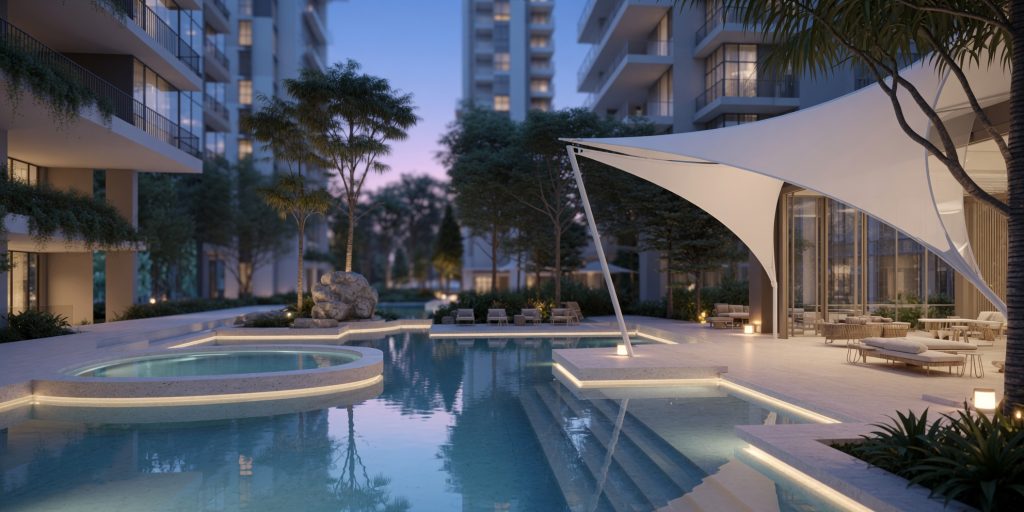
Residential amenities can play an important role in determining how residents experience a condominium after moving in. While a long list of facilities may appear attractive during the buying process, the real value of amenities depends on their quality, accessibility, usability, and maintenance. For Singapore homebuyers, facilities such as swimming pools, gyms, gardens, lounges, playgrounds, and function spaces can contribute to convenience and lifestyle quality when they are thoughtfully designed around residents’ actual needs. Quality amenities can therefore have a stronger influence on satisfaction than simply having a large number of facilities.
Useful Amenities Add Everyday Convenience
The most valuable facilities are usually those residents can incorporate naturally into their routines. A well-equipped gym can make exercise more convenient, while a swimming pool or landscaped garden can provide an accessible way to relax after work.
When useful amenities are located within the development, residents can save time that might otherwise be spent travelling to separate recreational venues. Developments such as The Serra Residences illustrate why buyers may consider how facilities complement the overall residential experience rather than evaluating them individually.
Quality Matters More Than Quantity
A condominium with numerous facilities is not necessarily more appealing than one with a smaller but carefully selected range. Residents may value a clean, well-maintained gym more than several specialised facilities that they rarely use.
Buyers should consider whether amenities appear appropriately sized, practical, and suited to the expected number of residents. The quality of equipment, materials, landscaping, seating, lighting, and general maintenance can all influence how enjoyable facilities are to use.
Accessibility Makes Facilities More Valuable
Even excellent amenities may have limited value if they are difficult to reach. Good residential planning should make shared facilities easy to access from different parts of the development.
Accessible pathways, lifts, clear signage, suitable lighting, and practical operating arrangements can make a difference. Families with young children and older residents may have additional accessibility requirements, making thoughtful planning particularly important.
Maintenance Protects Resident Satisfaction
The condition of shared facilities can have a direct impact on residents’ perceptions of a development. Swimming pools need regular cleaning, gyms require equipment servicing, gardens need ongoing care, and communal spaces must remain clean and functional.
Maintenance is therefore an important part of the value of amenities. A facility that looks impressive when new may lose its appeal if upkeep is inconsistent. Buyers should consider the apparent condition of existing facilities and, where possible, understand how the development is managed.
Outdoor Amenities Support Well-Being
Gardens, walking paths, landscaped courtyards, pools, and outdoor seating can provide opportunities for residents to spend time outside their homes.
Green spaces can also create a visual break from surrounding buildings and provide quieter areas for relaxation. Projects such as Dunearn Green highlight why buyers may look at the relationship between landscaping, communal facilities, and the wider residential environment when assessing lifestyle quality.
Facilities Can Support Different Lifestyles
Residents have different priorities. Young professionals may prefer fitness areas and social lounges, families may value playgrounds and pools, while older residents may appreciate gardens, seating areas, and accessible walking routes.
A diverse selection of well-planned amenities can accommodate these different preferences without requiring every facility to appeal to everyone. Buyers should consider whether the facilities match the lifestyle of their household rather than simply counting how many are available.
Shared Spaces Can Encourage Community Interaction
Amenities can create natural opportunities for neighbours to meet. Residents may encounter one another in gardens, fitness areas, pools, lounges, or recreational spaces.
Repeated casual interactions can gradually contribute to familiarity and a stronger sense of community. However, facilities should also be positioned carefully so that social activity does not compromise the privacy or quietness of nearby homes.
Family Amenities Can Make Daily Life Easier
For families, residential facilities can provide convenient spaces for children to play and for parents to spend time together. Playgrounds, pools, lawns, and multipurpose rooms can reduce the need for separate recreational trips.
Family-oriented amenities can also provide opportunities for children to interact with other residents. Safety, visibility, accessibility, and proximity to residential blocks should all be considered when evaluating these facilities.
Wellness Facilities Support Modern Lifestyles
Fitness and wellness have become increasingly relevant to residential planning. Gyms, yoga areas, walking paths, pools, gardens, and quiet relaxation spaces can encourage healthier routines.
The benefit comes from convenience. When exercise and relaxation facilities are close to home, residents may find it easier to use them regularly. A facility does not need to be highly specialised to provide value if it is well designed and convenient.
Function Spaces Provide Additional Flexibility
Multipurpose rooms and communal lounges can extend the functional capacity of individual homes. Residents may use them for celebrations, meetings, social gatherings, or other activities that require more space.
These spaces can be particularly useful for households that occasionally host larger groups. Buyers should consider whether booking systems, operating hours, furniture arrangements, and facility capacity make these spaces genuinely practical.
Technology Can Improve Facility Management
Digital systems can make shared amenities easier to use. Residents may be able to reserve function rooms, manage visitor access, check facility availability, or receive maintenance updates through an app or online platform.
Such systems can reduce conflicts and improve convenience, provided they are reliable and intuitive. Technology should enhance the experience rather than create unnecessary complexity.
Good Amenities Can Complement a Strong Location
Internal facilities are only one part of residential convenience. A development can become even more attractive when its amenities are complemented by nearby parks, shopping centres, restaurants, schools, healthcare services, and transport connections.
The surrounding neighbourhood can provide facilities that a condominium does not need to duplicate. This allows buyers to assess the combination of internal and external amenities when considering overall lifestyle convenience.
Evaluating Amenities Before Buying
Homebuyers should assess amenities based on likely everyday use rather than promotional appeal. Consider which facilities household members will actually use, how accessible they are, whether they appear durable, and how they are likely to be maintained.
It is also useful to visit communal areas during a property viewing and observe their size, layout, privacy, cleanliness, and relationship with nearby residential units.
Quality Amenities Can Strengthen Long-Term Satisfaction
Well-designed and properly maintained amenities can contribute meaningfully to resident satisfaction by supporting convenience, recreation, wellness, family activities, and social interaction. Their value comes from how effectively they serve residents rather than from the sheer number of facilities offered.
For buyers comparing condominiums, quality amenities should therefore be assessed as part of the broader residential environment. When useful facilities are thoughtfully planned, easy to access, and maintained to a high standard, they can make everyday living more comfortable and enjoyable while strengthening the long-term appeal of a residential development.